Top 8 Trax Alternatives for Shelf Image Recognition in 2026
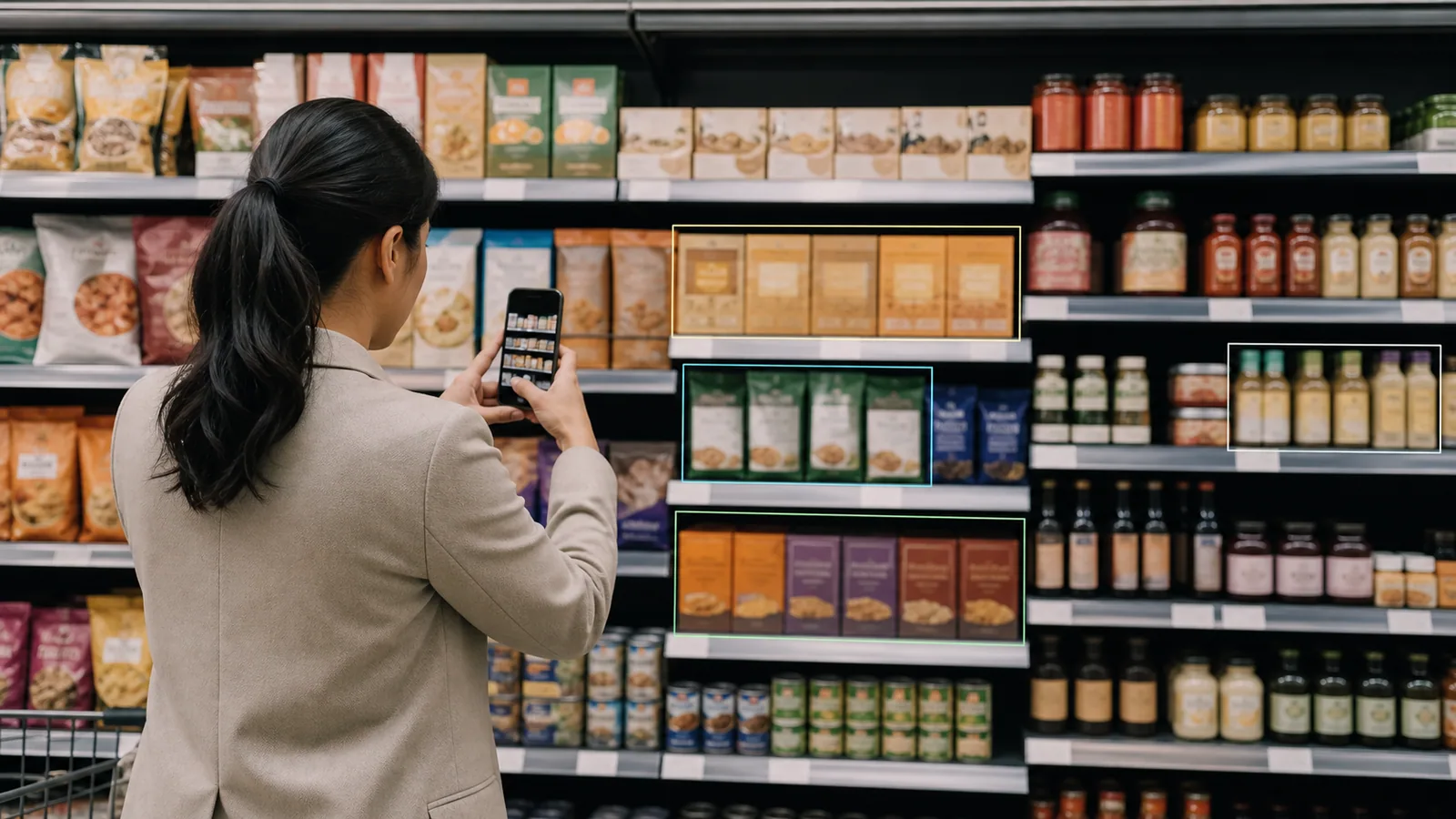
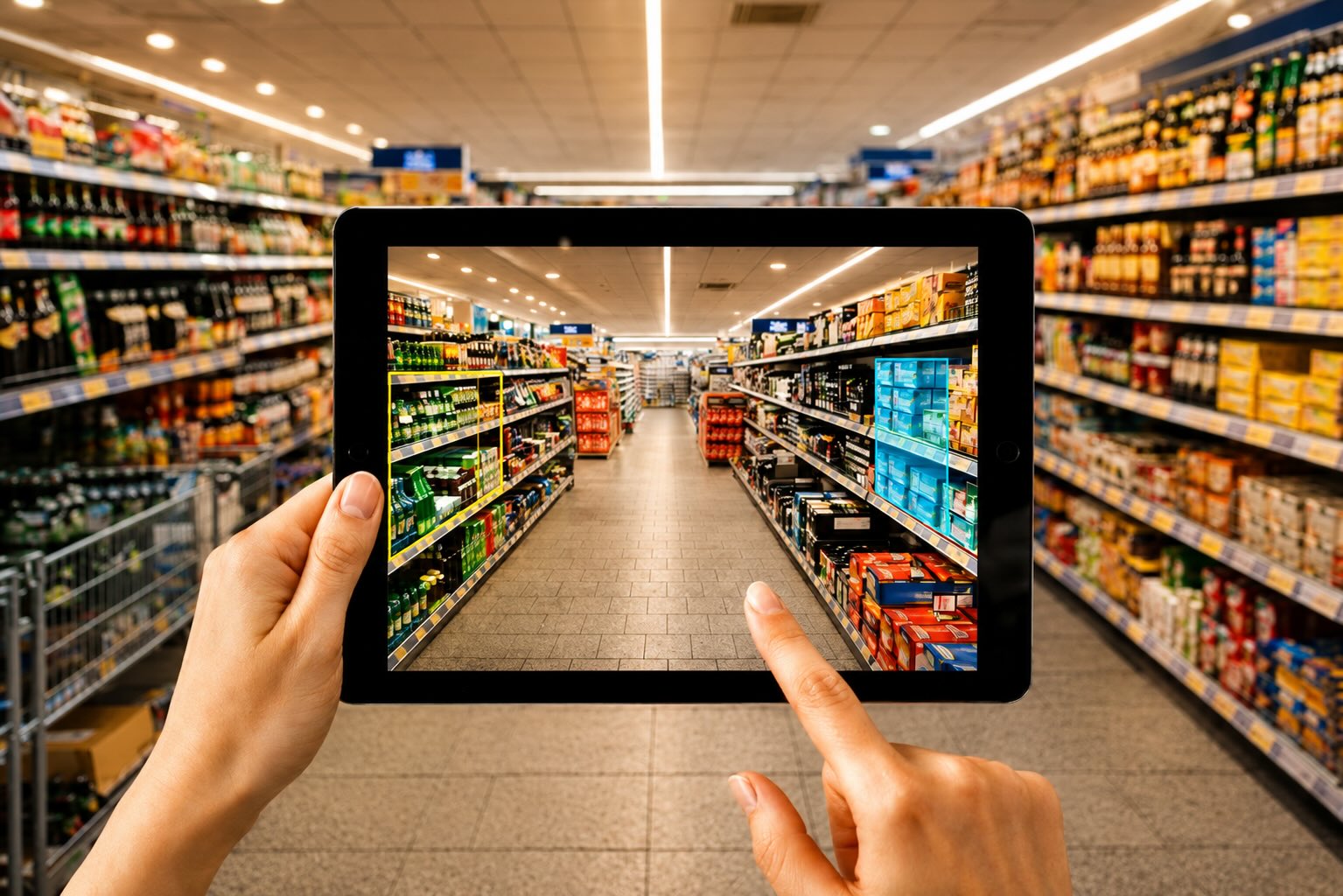
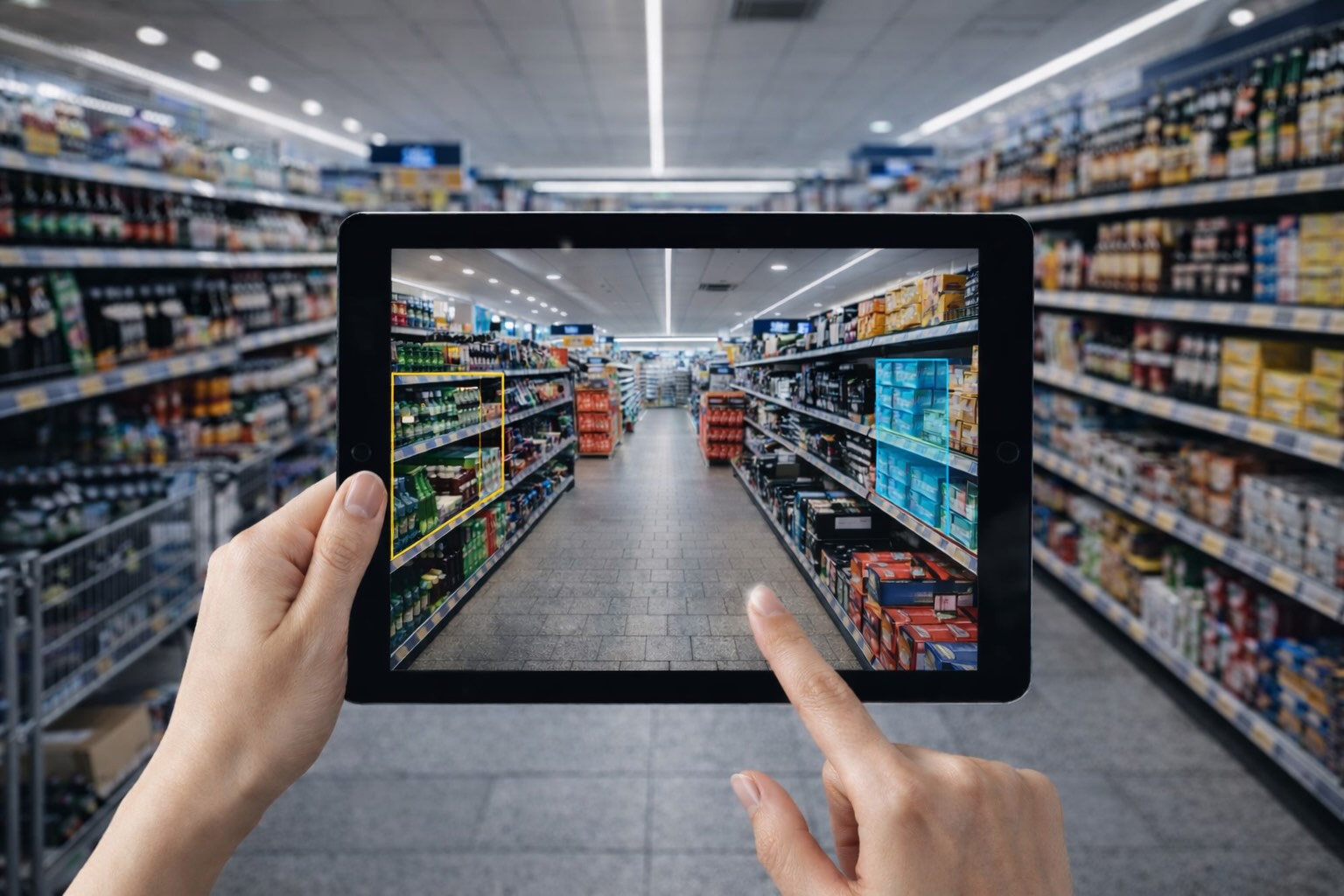
Trax helped define enterprise shelf image recognition, so finding a genuine alternative means looking beyond generic retail or point-of-sale software. The replacement must be able to turn shelf photos into useful product, availability, placement, pricing, or share-of-shelf data.
The decision became more timely when Trax's image-recognition business merged with FORM in February 2026. The combined organization says Trax has served customers in more than 80 countries, illustrating both the maturity of the category and the scale against which alternatives are judged.
This guide compares the strongest Trax alternatives for shelf AI and image recognition. Field execution features are considered, but the ranking prioritizes what happens between taking a shelf photo and receiving structured, reviewable shelf data.
Trax alternatives at a glance
| Platform | Best for | Shelf-image focus | Pricing indication |
|---|---|---|---|
| ParallelDots ShelfWatch | Direct enterprise alternative | SKU recognition and shelf KPIs | Custom pricing |
| Extractify | Lightweight, editable shelf analysis | Share of shelf, shelf data, and structured exports | Free access available |
| Infilect InfiViz | Enterprise shelf analytics | Real-time SKU and compliance insights | Custom pricing |
| Vispera | Configurable visual retail intelligence | Shelf recognition and retail KPIs | Custom pricing |
| Snap2Insight | Perfect Shelf programs | Product, price, promotion, and placement | Custom pricing |
| Vision Group Store360 | Fast in-aisle feedback | SKU detection and corrective actions | Custom pricing |
| Scandit ShelfView | Flexible image-capture infrastructure | Mobile, fixed-camera, and robotic shelf capture | Custom pricing |
| Ailet | Real-time Perfect Store monitoring | Placement, pricing, and promotion recognition | Custom pricing |
Pricing can change. Most enterprise shelf-intelligence vendors do not publish standard plans and instead ask prospective customers to request a demo or quote.
What to look for in a Trax alternative
Retail image recognition is not just optical character recognition, or OCR. Reading text from a price label is useful, but shelf analysis may also require the system to identify products, count facings, locate empty spaces, distinguish brands, compare placements, and organize the result into usable fields. If planogram execution is core to your rollout, this planogram guide for retail teams is a useful companion.
The most important evaluation criteria are:
- Shelf-image coverage: Can the system analyze shelves, coolers, end caps, displays, and imperfect store photos?
- Recognition depth: Does it identify a generic product category, a brand, or the exact SKU?
- Outputs: Does it produce only a dashboard, or can users review, edit, and export the underlying data?
- SKU onboarding: How much catalog preparation and model training are required before new products can be recognized?
- Human review: Can uncertain detections be corrected before they reach reports or downstream systems?
- Processing model: Is recognition performed in the cloud, on the device, or through a hybrid workflow?
- Integration effort: Can results flow into spreadsheets, business-intelligence tools, or existing retail systems?
- Deployment scale: Is the product designed for a quick photo audit, or for thousands of field users and stores?
These questions are more useful than a single accuracy number. Vendor accuracy figures may refer to different datasets, shelf conditions, SKUs, and definitions of a correct result, so they are rarely comparable without a pilot using your own images.
1. ParallelDots ShelfWatch: Best overall Trax alternative
Best for: CPG brands that need enterprise SKU recognition, shelf KPIs, and integrations.
Pricing: Custom pricing; request a demo. No public free trial or standard paid plan is listed.
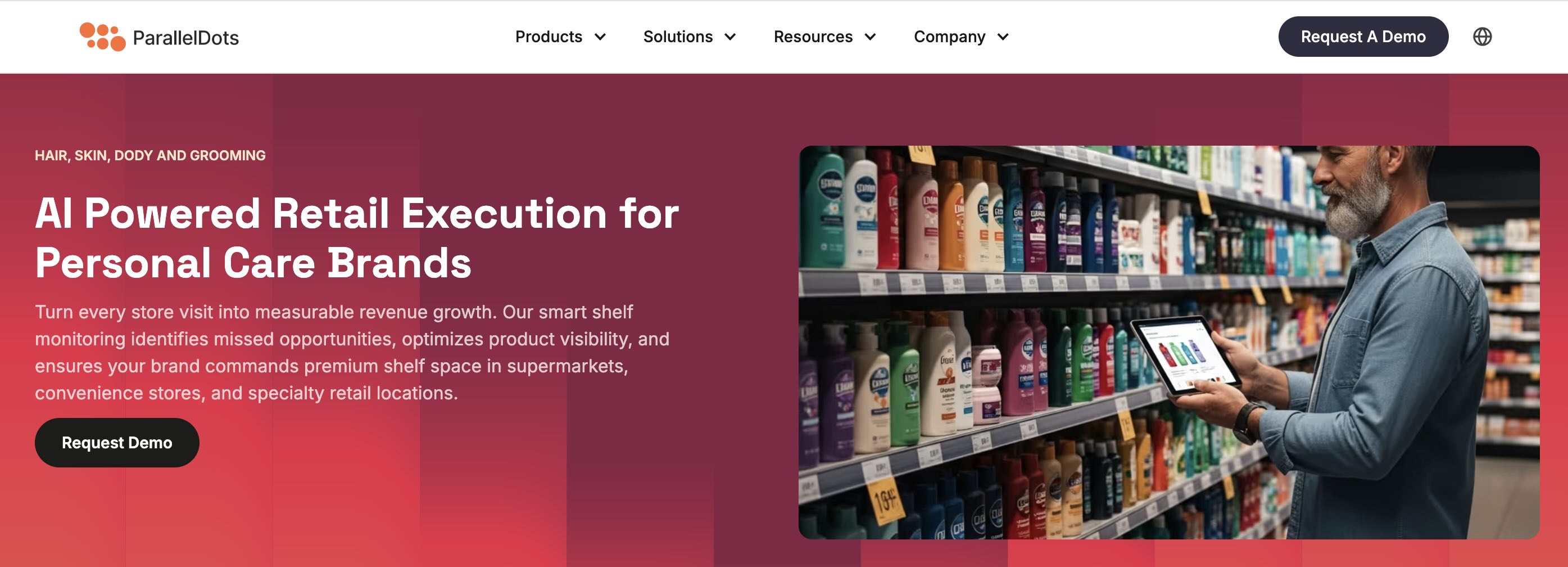
ParallelDots ShelfWatch is the closest all-around alternative for organizations that view Trax primarily as a shelf image-recognition platform. It analyzes shelf images and calculates configurable metrics including on-shelf availability, share of shelf, planogram compliance, price-tag compliance, and display execution.
ShelfWatch also supports offline image capture and integration with sales-force automation, distribution-management, merchandising, and field-audit systems. ParallelDots says its image-quality checks can flag blur or poor camera angles before images enter the recognition workflow.
Why it ranks first
- Broad range of shelf KPIs
- SKU-level image recognition
- Offline capture and enterprise integrations
- Rapid model-training options for new products
- Feedback designed to reach teams while store conditions can still be corrected
Main limitation
ShelfWatch is positioned as an enterprise platform rather than a lightweight upload-and-export tool. Teams should expect a sales process, implementation planning, and custom commercial terms.
2. Extractify: Best lightweight alternative for editable shelf data
Best for: Analysts, operators, smaller CPG teams, auditors, and category managers who want to analyze shelf photos without deploying a full enterprise retail-execution system.
Pricing: Free access is available, including up to 10 anonymous extractions; no public paid plan is currently listed.
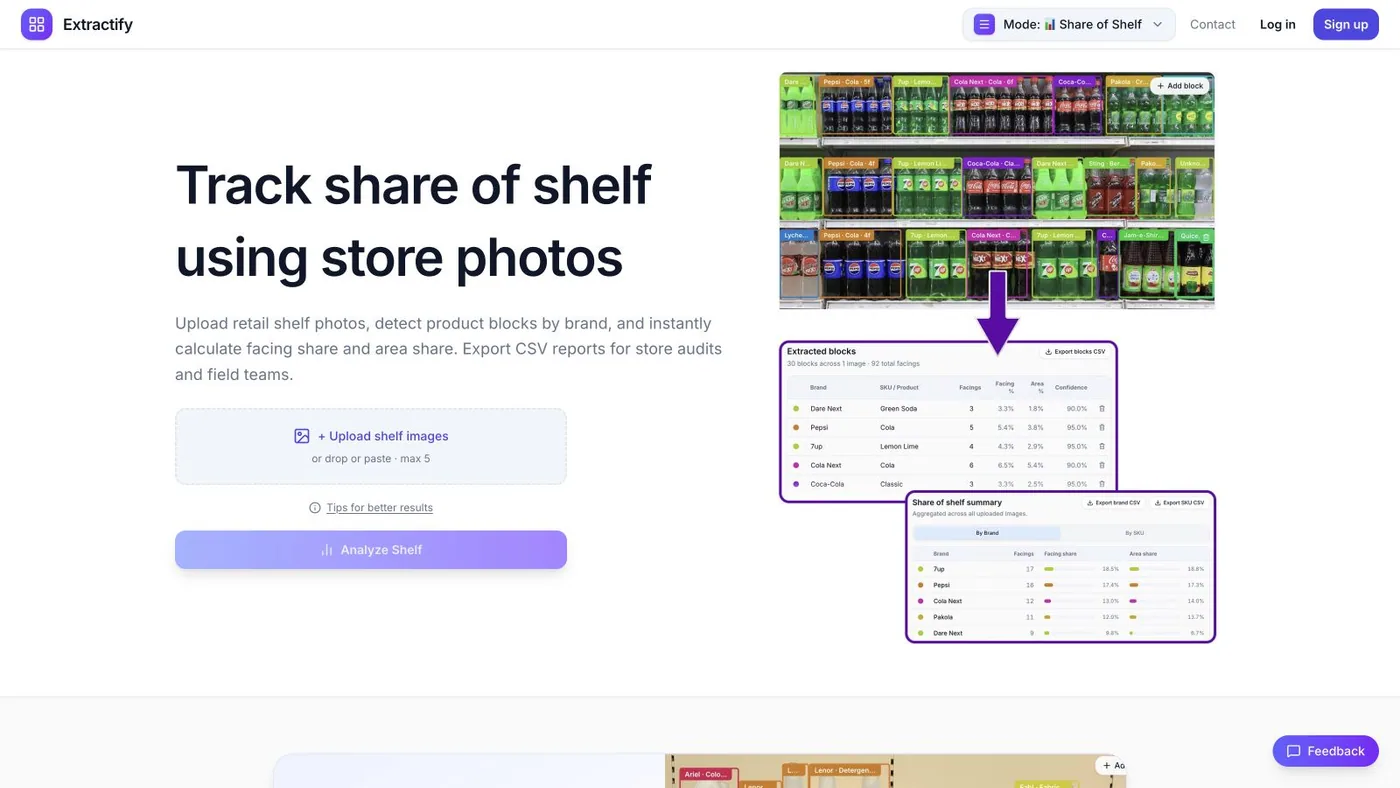
Extractify's Share of Shelf tool takes a lighter approach. Users upload store-shelf photos, detect product blocks, review brands, SKUs, facings, and confidence scores, and calculate facing share or area share. Detected blocks can be resized, added, removed, or corrected before the data is exported to CSV.
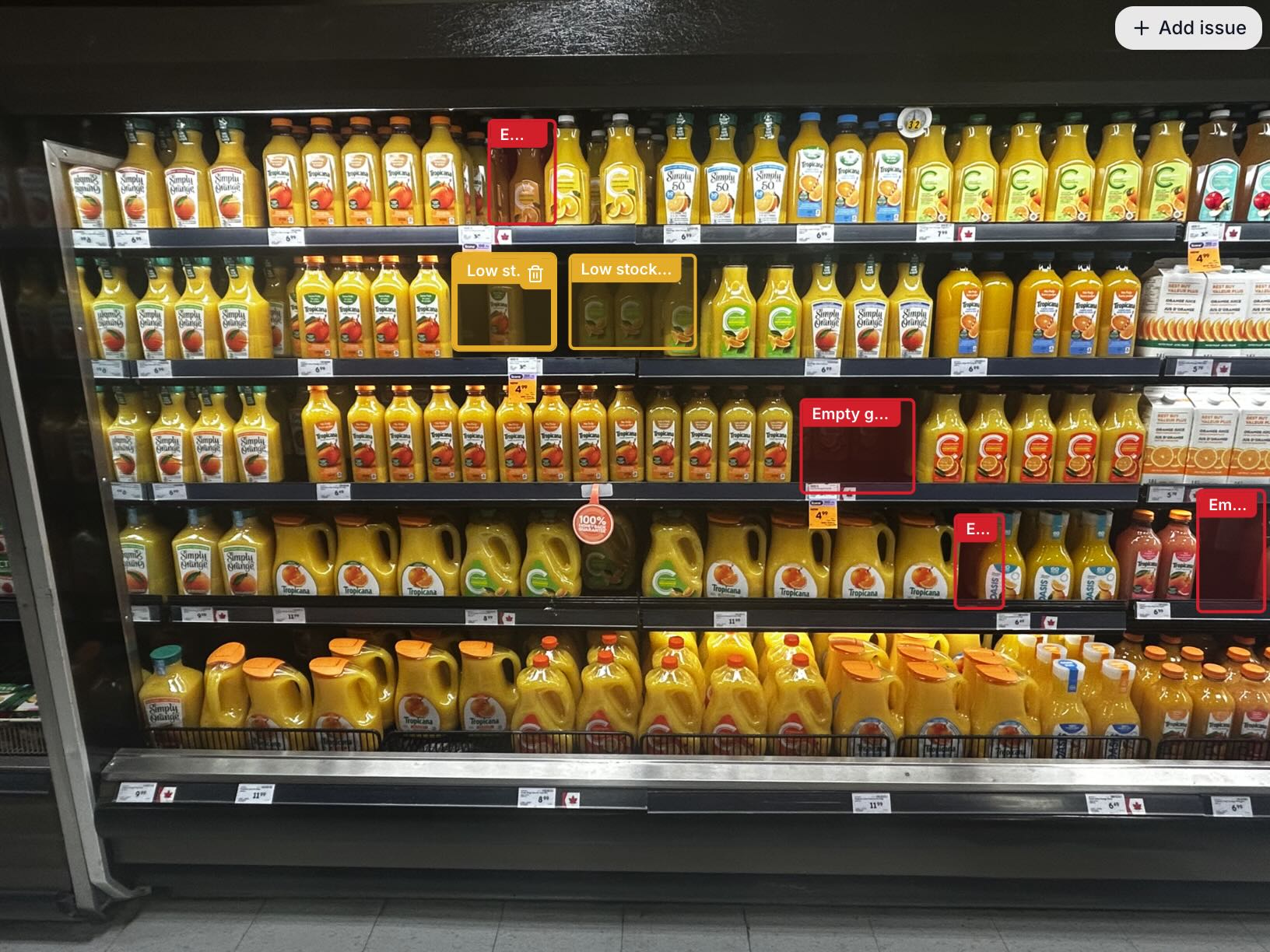
Extractify can also turn shelf photos into product and inventory tables when the objective is to capture visible names, brands, prices, quantities, labels, or other custom fields. For availability checks, its out-of-stock photo workflow flags likely gaps, low-stock areas, and missing facings for human review. Teams building recurring store audits can follow this step-by-step guide to create retail shelf inventory from photos.
Why it ranks second
- Fast, self-service photo upload
- Editable detections instead of an opaque final score
- Share-of-shelf and area-share calculations
- Flexible extraction fields for shelf catalogs and audits
- CSV and spreadsheet-ready exports
- Lower commitment than a full enterprise deployment
Main limitation
Extractify is not a replacement for Trax's entire enterprise ecosystem. It does not position itself as a field-force management suite, and results still need review—especially when images are angled, blurry, crowded, or missing readable product information. It is the stronger fit when the core requirement is shelf AI plus usable data, rather than workforce orchestration across a global sales organization.
3. Infilect InfiViz: Best for deep enterprise shelf analytics
Best for: Large CPG organizations that want image recognition tied to real-time execution analytics and recommendations.
Pricing: Custom pricing; schedule a demo. No public free trial or standard plan is listed.
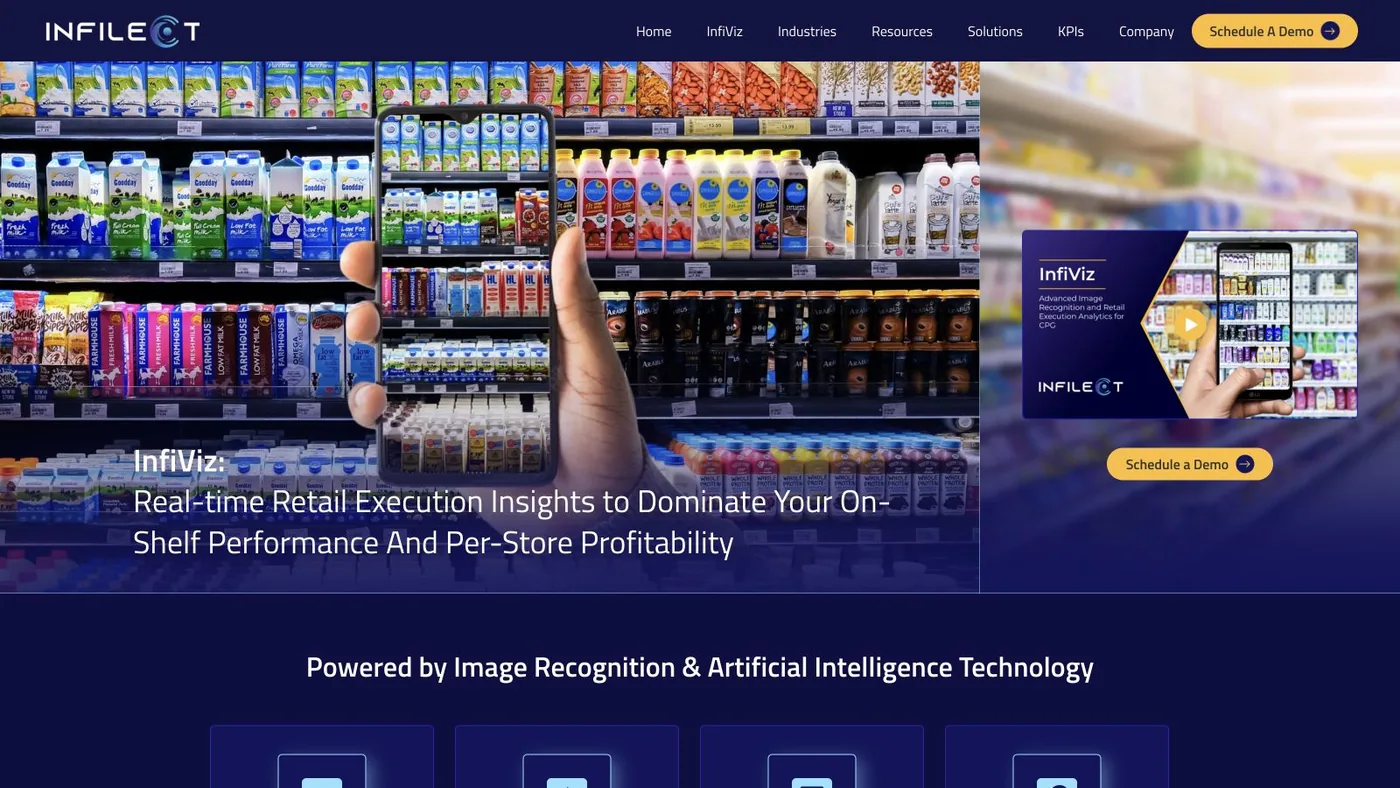
Infilect InfiViz converts store images into metrics such as on-shelf availability, brand- and SKU-level share of shelf, display compliance, promotional compliance, pricing compliance, and competitor adjacencies.
Infilect emphasizes rapid feedback to field users and a central analytics layer for sales and trade-marketing teams. Its official product material reports more than 97% data accuracy in modern and general trade, but buyers should validate that figure on their own categories and store conditions.
Strengths
- Detailed SKU- and brand-level shelf metrics
- Competitive and promotional intelligence
- Store-level recommendations
- Enterprise dashboards and automated reports
Main limitation
InfiViz is designed for a structured enterprise program. A team that only needs occasional shelf-photo analysis or spreadsheet exports may find the implementation broader than necessary.
4. Vispera: Best for configurable visual retail intelligence
Best for: Retailers and suppliers that need image recognition across varied store formats and shelf-execution use cases.
Pricing: Custom pricing; request a pilot. No public free version or standard plan is listed.
Vispera provides image-recognition and analytics products for retailers and CPG suppliers. Its platform turns shelf images into product and execution data, covering availability, placement, planogram compliance, promotions, launches, and other configurable retail KPIs.
The platform is a relevant Trax alternative for companies that need a visual-intelligence layer across several channels rather than one narrowly defined shelf metric.

Strengths
- Broad retail image-recognition coverage
- Configurable KPIs for suppliers and retailers
- Automated shelf-data collection and reporting
- Support for promotion and launch monitoring
Main limitation
Public product pages emphasize capabilities rather than implementation details or prices. Buyers will need a pilot to evaluate SKU setup, correction workflows, integrations, and performance on their own images.
5. Snap2Insight: Best for Perfect Shelf programs
Best for: CPG teams that want image recognition organized around planograms, shelf standards, and prioritized merchandising defects.
Pricing: Custom pricing; contact Snap2Insight. No public free trial or standard plan is listed.
Snap2Insight's Perfect Shelf Platform converts rep-captured shelf photos into data about products, prices, promotions, and placement. It then compares that shelf reality with a planogram or other standard and reports prioritized actions.
The platform exposes common shelf KPIs including on-shelf availability, out-of-stocks, share of shelf, shelf pricing, placement, planogram compliance, and display execution. Snap2Insight says its platform analyzes more than one million images per month.
Strengths
- Clear photo-to-data-to-action workflow
- Strong planogram and compliance focus
- Wide range of shelf KPIs
- Enterprise reporting and API-oriented outputs
Main limitation
Its value is strongest when an organization already has defined shelf standards and a repeatable field-photo program. It may be more infrastructure than a small team needs for ad hoc analysis.
6. Vision Group Store360: Best for fast corrective feedback
Best for: CPG field teams that want shelf recognition and suggested corrections during the same store visit.
Pricing: Custom pricing; book a demo. No public free trial or standard plan is listed.
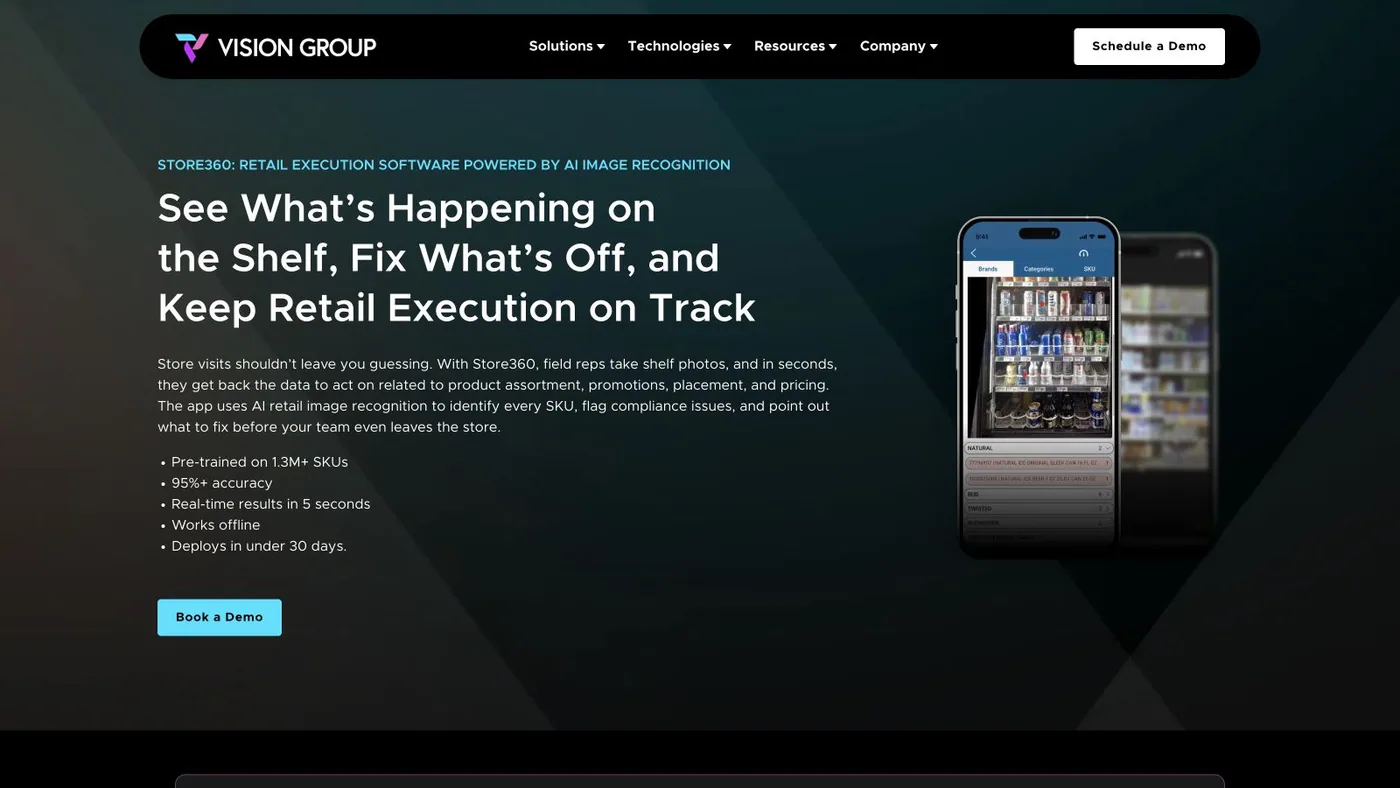
Store360 identifies SKUs from shelf photos and checks outcomes such as share of shelf, out-of-stocks, planogram compliance, pricing accuracy, promotion compliance, and display presence.
Its clearest differentiator is speed at the point of capture. Vision Group says Store360 returns results in seconds, works offline, and is pre-trained on more than 1.3 million SKUs. Those claims make it worth evaluating for teams that cannot wait for a later dashboard review before fixing shelf issues.
Strengths
- Same-visit feedback
- Offline operation
- Large pre-trained SKU library
- APIs for CRM, analytics, and retail systems
Main limitation
The workflow is built around managed field execution. Teams should verify coverage for regional or frequently changing SKUs and test whether the proposed corrections match their own store standards.
7. Scandit ShelfView: Best for flexible shelf-image capture
Best for: Retailers that want to combine mobile devices, fixed cameras, or robots for recurring shelf monitoring.
Pricing: Custom pricing; speak to a Scandit expert. No public free version or standard ShelfView plan is listed.
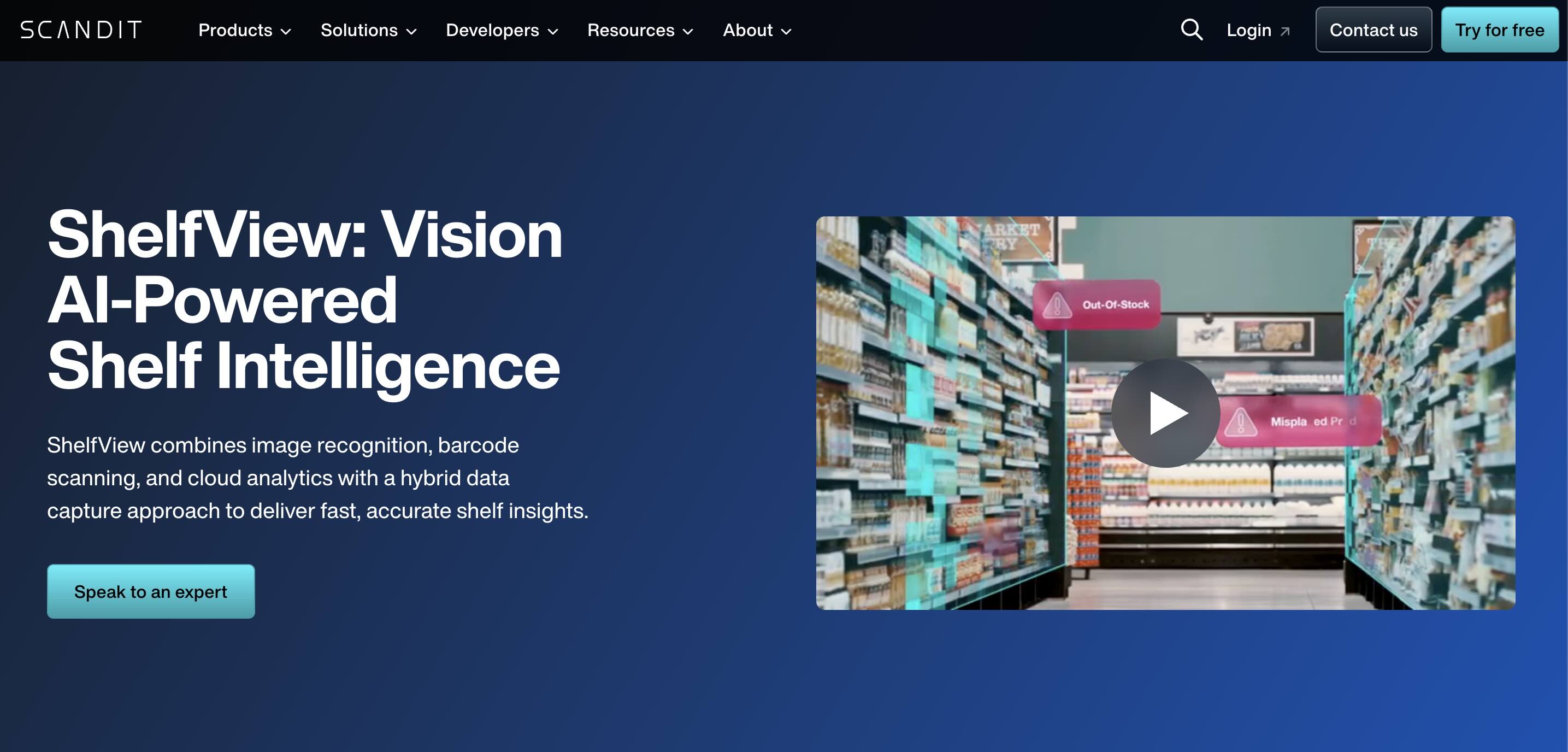
Scandit ShelfView combines image recognition, barcode scanning, and cloud analytics. Unlike platforms centered mainly on field-rep photos, ShelfView supports a hybrid capture model using mobile, fixed-position, and robotic cameras.
That makes it a notable Trax alternative for retailers deciding not only how to recognize shelves, but also how frequently and through which hardware those shelves should be captured.
Strengths
- Multiple image-capture methods
- Image recognition plus barcode scanning
- Prioritized shelf alerts
- Strong fit for continuous retailer-owned monitoring
Main limitation
Choosing and operating capture hardware adds another decision layer. ShelfView may be less suitable for a brand that simply wants merchandisers to upload occasional smartphone photos and export the results.
8. Ailet: Best for real-time Perfect Store monitoring
Best for: CPG companies and retailers that want image recognition connected to placement, pricing, promotions, and Perfect Store objectives.
Pricing: Custom pricing; contact Ailet. No public free trial or standard plan is listed.
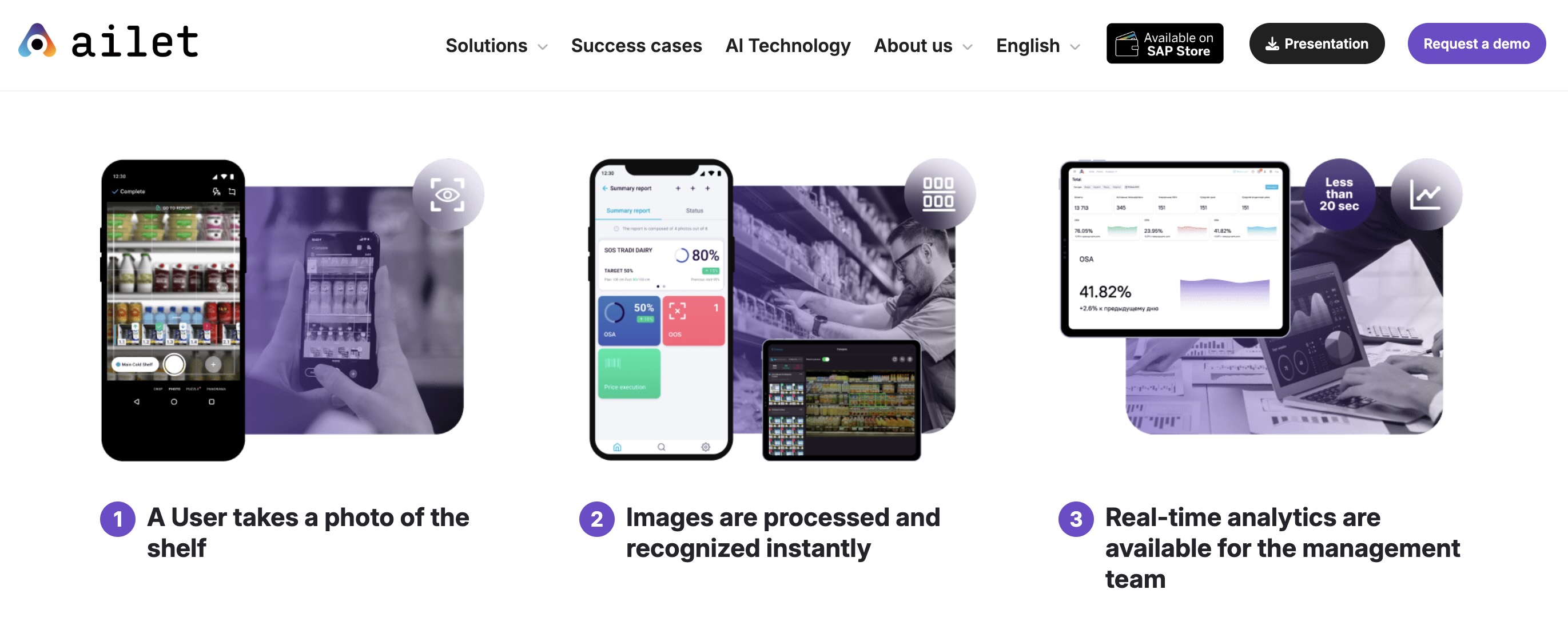
Ailet processes shelf photos and provides real-time analytics for management and store teams. Its shelf-recognition use cases include placement, pricing, promotional materials, on-shelf availability, planogram compliance, and merchandising audits.
The product belongs on the shortlist when buyers need more than isolated product recognition but still want the shelf image to remain the primary source of operational data.
Strengths
- Real-time photo processing
- Pricing and promotion recognition
- Planogram and availability monitoring
- Supplier and retailer use cases
Main limitation
As with most enterprise platforms in this category, public information does not reveal standard pricing or the full implementation model. A pilot is necessary to assess recognition coverage and workflow fit.
Which Trax alternative should you choose?
There is no universal winner because the platforms solve the shelf-image problem at different levels.
- Choose ParallelDots ShelfWatch when you want the closest enterprise substitute for Trax's SKU recognition and shelf KPI capabilities.
- Choose Extractify when you want a lightweight workflow with editable detections, share-of-shelf calculations, and structured exports—without adopting a complete retail-execution suite.
- Choose Infilect or Vispera when deep analytics and configurable enterprise programs matter more than self-service simplicity.
- Choose Snap2Insight when planograms and Perfect Shelf standards are central to the project.
- Choose Store360 when field users need recognition and corrective feedback during the store visit.
- Choose Scandit ShelfView when the capture strategy may combine phones, fixed cameras, and robots.
- Choose Ailet when real-time shelf recognition supports a broader Perfect Store program.
Before committing, run a controlled pilot with images from the stores, categories, lighting conditions, and devices you actually use. Measure more than headline accuracy: track missed products, false detections, correction time, new-SKU onboarding, processing speed, export quality, and the percentage of images that require recapture.
If you are still defining your shelf-data strategy, these companion guides can help:
- Top tools to measure share of shelf
- Best out-of-stock detection tools
- How AI merchandising changes retail shelf execution
Frequently asked questions
What is the closest direct alternative to Trax?
ParallelDots ShelfWatch is the closest direct alternative in this ranking because it combines SKU-level shelf recognition, configurable KPIs, offline capture, real-time feedback, and enterprise integrations. Infilect, Vispera, Snap2Insight, and Store360 are also credible direct competitors for large deployments.
What is the best Trax alternative for a smaller team?
Extractify is the most accessible option here for a smaller team that primarily needs to turn shelf photos into editable detections, share-of-shelf calculations, or spreadsheet-ready data. It is not intended to reproduce Trax's complete field-management environment.
Can these tools identify exact SKUs?
Several enterprise platforms are designed for SKU-level recognition, but coverage depends on product training, packaging variants, geography, image quality, and shelf conditions. Extractify can capture visible brands, labels, prices, SKUs, and product details, but the user should review uncertain results rather than assume every item will be identified perfectly.
Are there free Trax alternatives?
Extractify offers free access for lightweight testing. The enterprise vendors in this comparison generally direct users to a demo or sales conversation and do not publish a standard free plan. Confirm current limits and commercial terms before starting a production rollout.
How is shelf image recognition different from field management?
Shelf image recognition converts photos into product and shelf data. Field management coordinates people, routes, tasks, visits, and corrective actions. Some platforms combine both, but a team that already has its own operational workflow may only need the image-analysis layer.
Conclusion
The best Trax alternative depends on whether the real requirement is enterprise SKU recognition, continuous shelf monitoring, same-visit guidance, or simply a faster way to convert shelf photos into trustworthy structured data.
That distinction matters because shelf problems carry a measurable cost. NielsenIQ estimated that empty shelves cost U.S. retailers more than $82 billion in sales during 2021. The goal is therefore not to buy the platform with the longest feature list. It is to choose the image-recognition workflow that surfaces usable shelf data quickly enough for the team to act.
For organizations seeking a full enterprise replacement, start with a representative pilot of ShelfWatch, InfiViz, Vispera, or another direct platform. For teams focused on accessible shelf AI, editable results, and spreadsheet-ready exports, test Extractify with your own shelf photos and evaluate the output before committing to a larger system.