The Ultimate Guide to Planograms in Retail (2026 Edition)
Retail shelves are more competitive than ever. Every centimetre matters. Every product placement decision influences whether a shopper buys — or walks away.
Yet most retailers and CPG brands still treat shelf layout as a static exercise rather than a dynamic growth lever.
That is where planograms come in.
This guide goes beyond the basics to show you how modern planograms, powered by data and AI, can transform retail execution, increase sales, and give your brand a measurable edge.
What is a planogram? (and why it still matters in 2026)
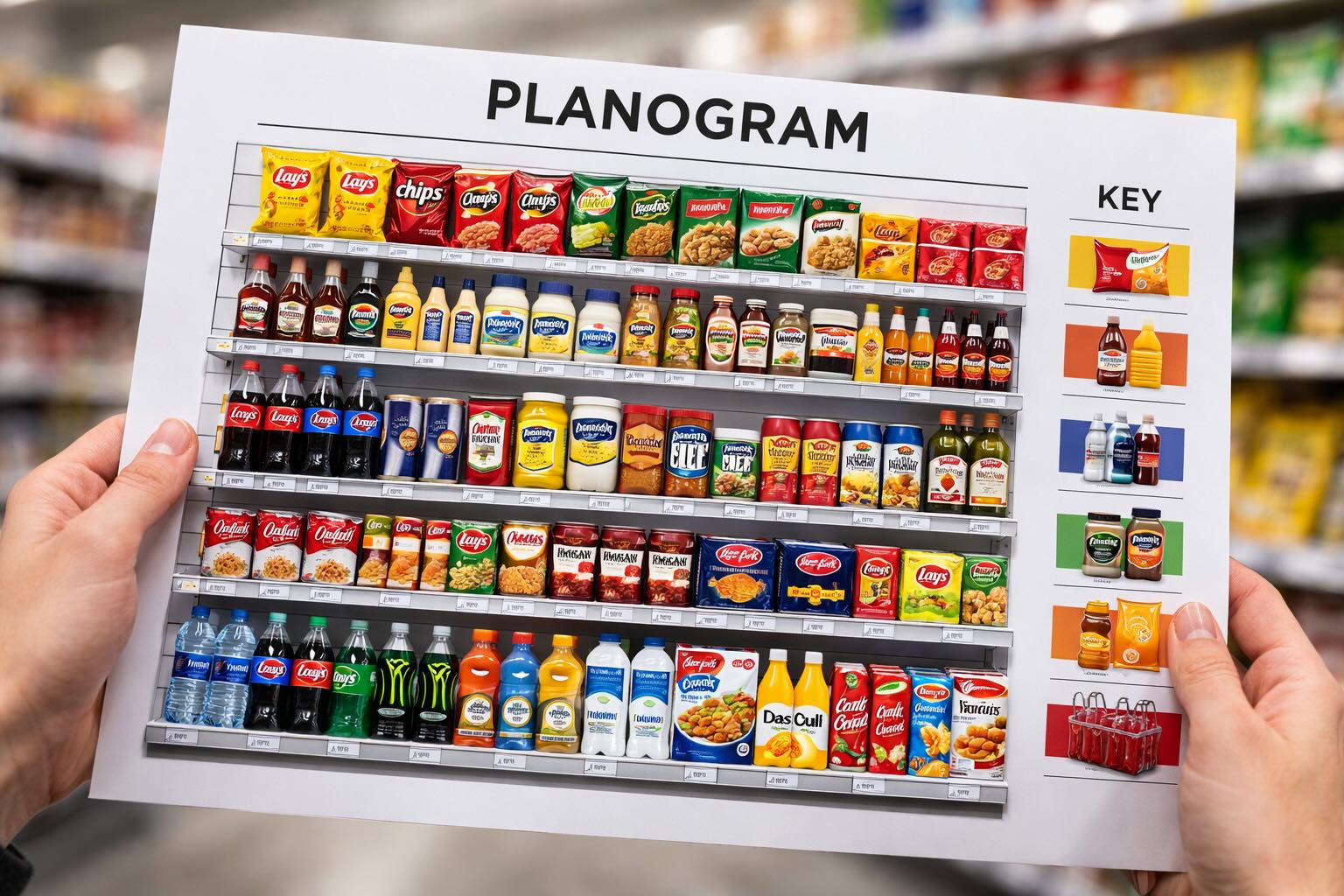
A planogram is a visual blueprint that defines exactly how products should be arranged on shelves — down to positioning, spacing, and facings.
In 2026, it is more than a diagram:
- A data-driven merchandising strategy
- A sales optimisation tool
- And increasingly, an AI-powered system
Retailers use planograms to align shelf layouts with shopper behaviour, product performance, and inventory realities. When done right, they do not just organise shelves, they engineer buying decisions.
For a deeper dive into why planogram execution is so challenging in practice, see this whitepaper on planogram compliance in retail (PDF).
Why planograms are more important than ever
Retail has changed. Fast:
- More SKUs competing for limited shelf space
- Higher expectations for in‑store experience
- Increased pressure on margins
- Omnichannel consistency requirements
Planograms sit at the intersection of all these challenges.
Industry data shows that effective planogram compliance alone can increase retail profits by 8%+ by reducing lost sales and improving availability. With optimisation, the impact can be even higher — some categories see 12–20% sales uplift when layouts are tuned and maintained correctly.
7 powerful benefits of planograms (that most brands underestimate)
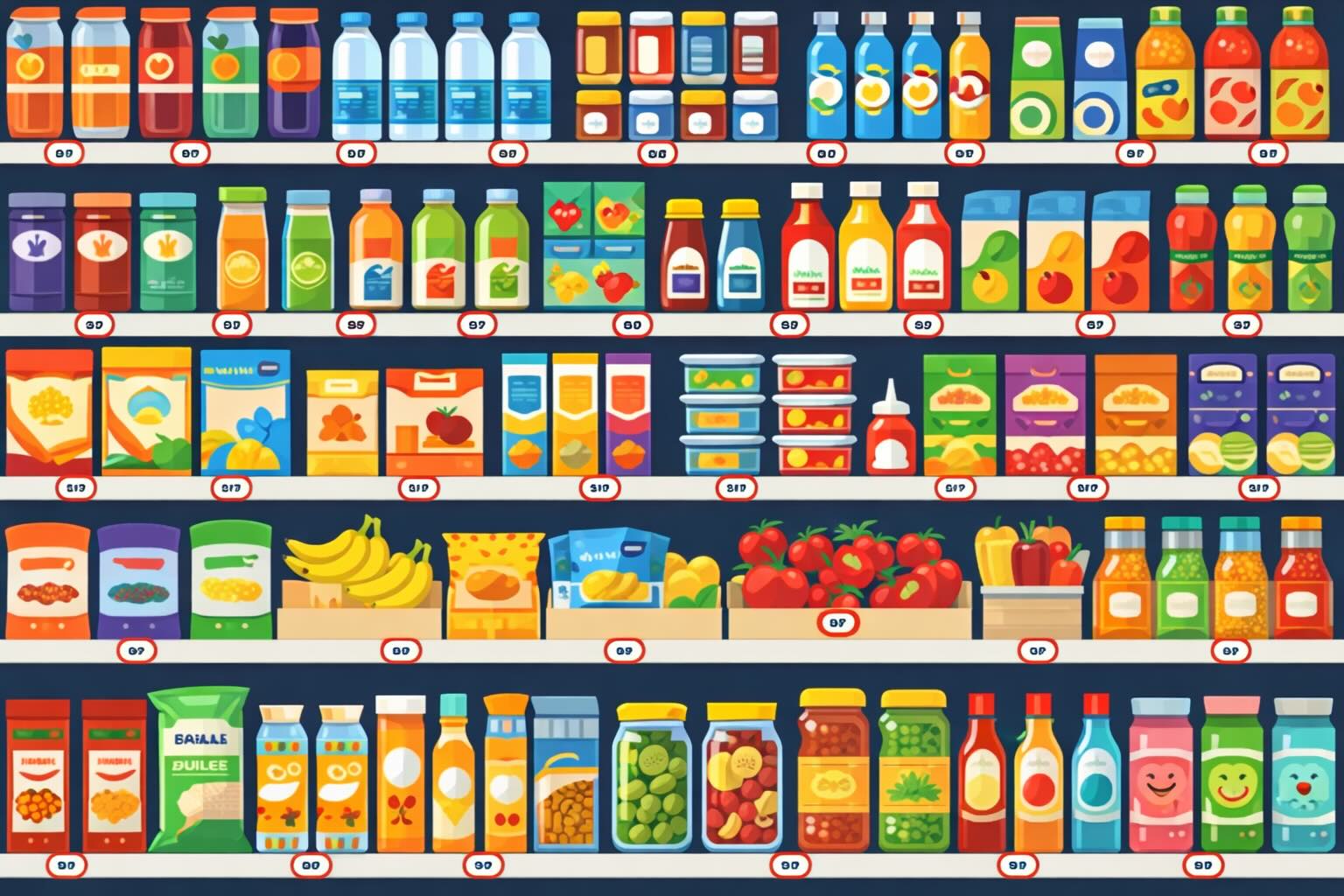
1. They turn shelf space into revenue
Shelf space is finite, but not all space performs equally.
Smart planograms prioritise:
- High‑margin products
- Fast‑moving SKUs
- Strategic placements (like eye‑level zones and endcaps)
The result: more revenue per square metre, without expanding store size.
2. They drive impulse purchases
Strategic placement of complementary products (think snacks + drinks, sauces + pasta, or batteries near electronics) encourages cross‑selling and impulse buying.
Even small layout tweaks can significantly increase basket size.
3. They reduce stockouts and lost sales
Planograms align shelf space with real demand. This helps:
- Prevent out‑of‑stock situations
- Avoid overstocking slow movers
- Improve replenishment cycles
Retailers using optimised layouts can reduce out‑of‑stock issues by up to 30%, which directly protects revenue and customer loyalty.
4. They standardise execution across stores
For multi‑store retailers and CPG brands, consistency is everything.
Planograms ensure:
- Uniform brand presentation
- Consistent shopper experience
- Easier rollout of promotions and campaigns
Without them, every store becomes its own experiment, and your brand performance becomes impossible to measure reliably.
5. They improve customer experience (quietly but powerfully)
Shoppers do not think about planograms, but they feel them.
A well‑structured shelf:
- Makes products easier to find
- Reduces decision fatigue
- Creates a smoother shopping journey
That leads to higher satisfaction, more completed baskets, and more repeat visits!
6. They enable data‑driven merchandising
Modern planograms are not based on gut feeling, they are based on:
- POS and loyalty data
- Shopper behaviour and traffic patterns
- Seasonal trends
- Store‑specific performance
This allows retailers to continuously refine layouts and improve outcomes, instead of updating once a year and hoping for the best.
7. They unlock automation and AI optimisation
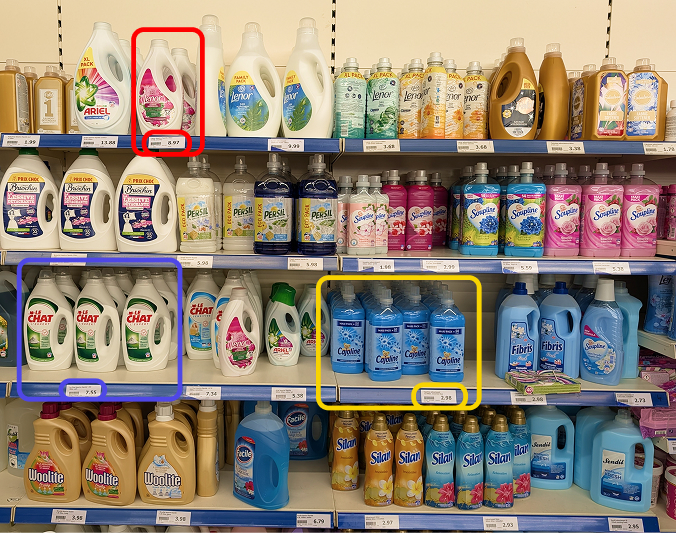
Here is where things get interesting:
Traditional planogram creation can take 30+ hours per complex layout. But with AI, that can drop dramatically, while improving accuracy and scalability.
Recent research on cloud‑native generative AI for planogram synthesis shows that diffusion‑based models can cut planogram design time by over 98% (from 30 hours to around 0.5 hours) while still satisfying the vast majority of retail constraints. You can read more in this 2026 paper on cloud‑native generative AI for automated planogram synthesis.
Retail is shifting from:
- Static layouts → Dynamic, AI‑optimised shelf strategies
The hidden problem: planogram compliance
Designing a planogram is the easy part.
Executing it in hundreds or thousands of stores is where things break.
In reality:
- Shelves drift from the plan
- Products get misplaced
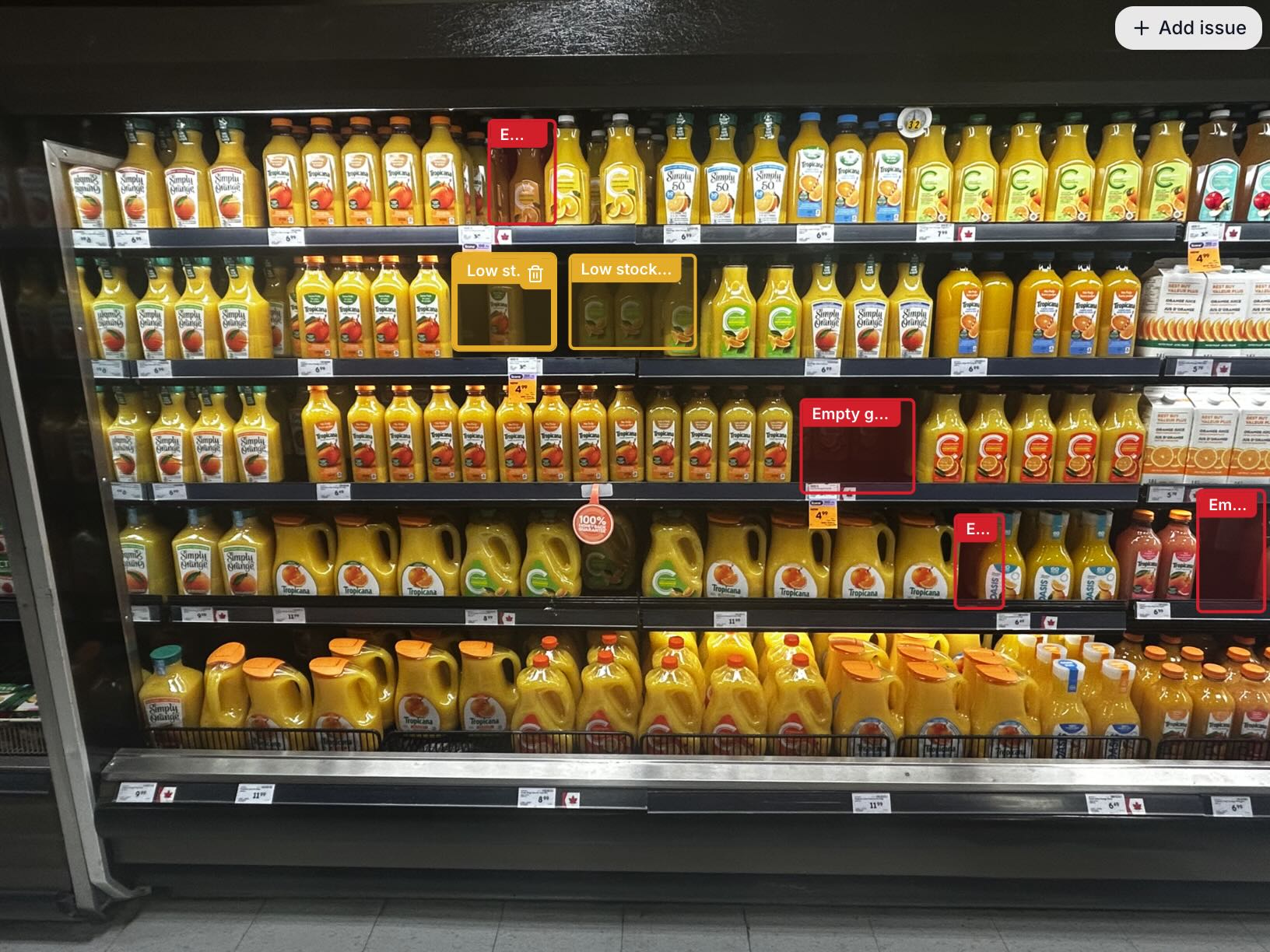
- Stock gaps appear
- Store teams improvise when products do not fit perfectly
As one retail worker put it:
“Even 1–2 cm throws everything off… staff start adjusting things manually.”
That quote comes from a real discussion about planograms in the RetailHell community on Reddit.
This gap between strategy (the planogram) and execution (what is actually on the shelf) is where most revenue is lost.
The rise of shelf intelligence (and why it changes everything)
To close this gap, leading retailers are adopting image recognition and shelf analytics tools.
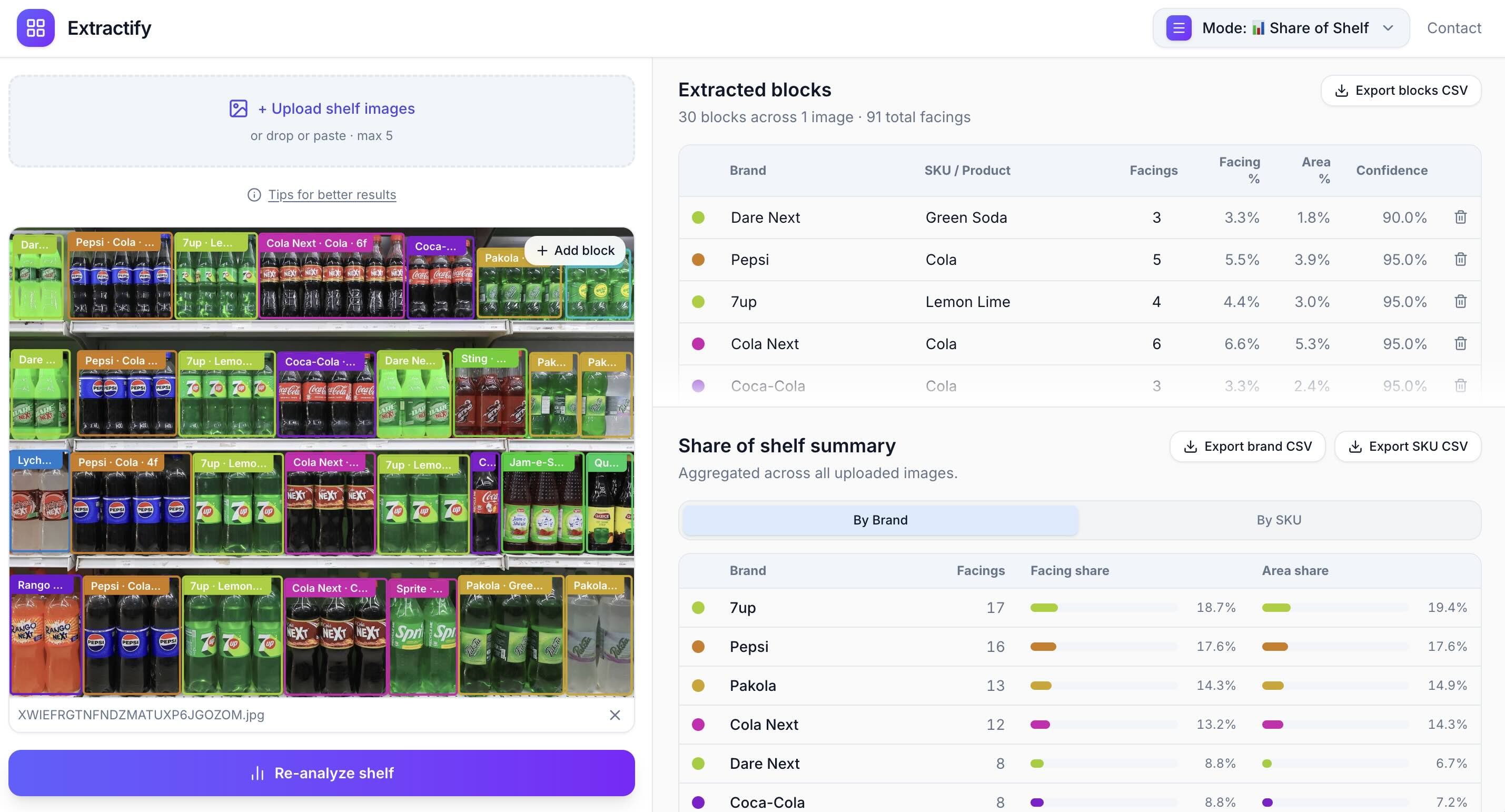
These technologies can:
- Detect planogram compliance in near real time
- Identify missing or misplaced products
- Monitor shelf availability automatically
- Trigger corrective actions for store teams
Instead of relying on occasional manual audits, brands get continuous, scalable visibility into what is happening on the shelf.
For category teams, that visibility is not only about whether products are in the right place. It is also about whether each brand has the shelf presence it was supposed to get, which is why many audits also track share of shelf from store photos.
From planograms to digital shelf catalogues: the next evolution
Traditional planograms answer:
“Where should products go?”
Modern retail needs to answer a more urgent question:
“What is actually happening on the shelf right now?”
This is where digital shelf catalogues come in.
With them, you can:
- Capture real shelf images
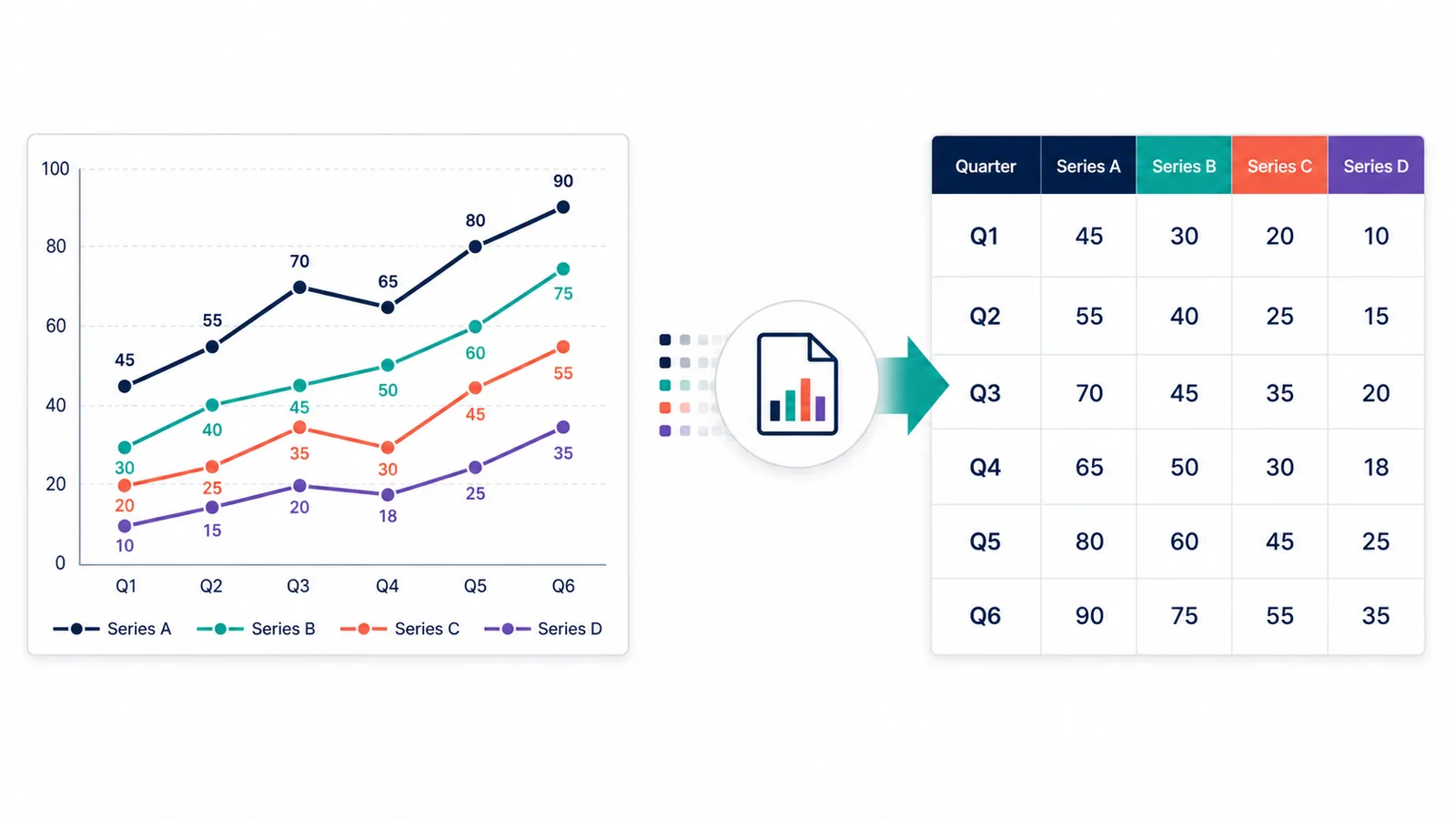
- Extract structured product data
- Analyse shelf composition automatically
- Compare expected vs. actual layouts
Instead of guessing whether stores are following the planogram, you see it and measure it.
How Extractify helps you go beyond static planograms
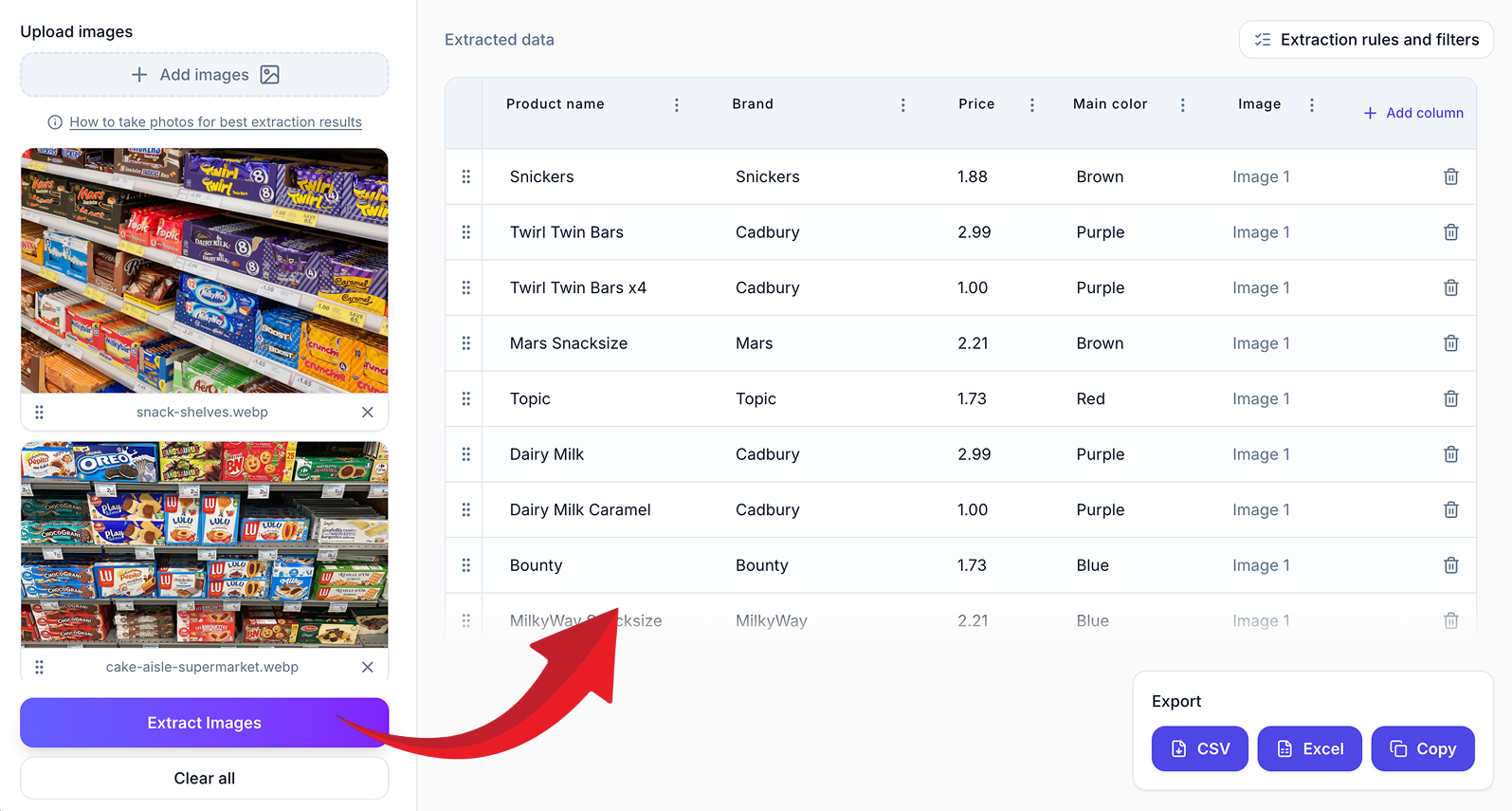
If you are still relying on static planograms alone, you are missing half the picture.
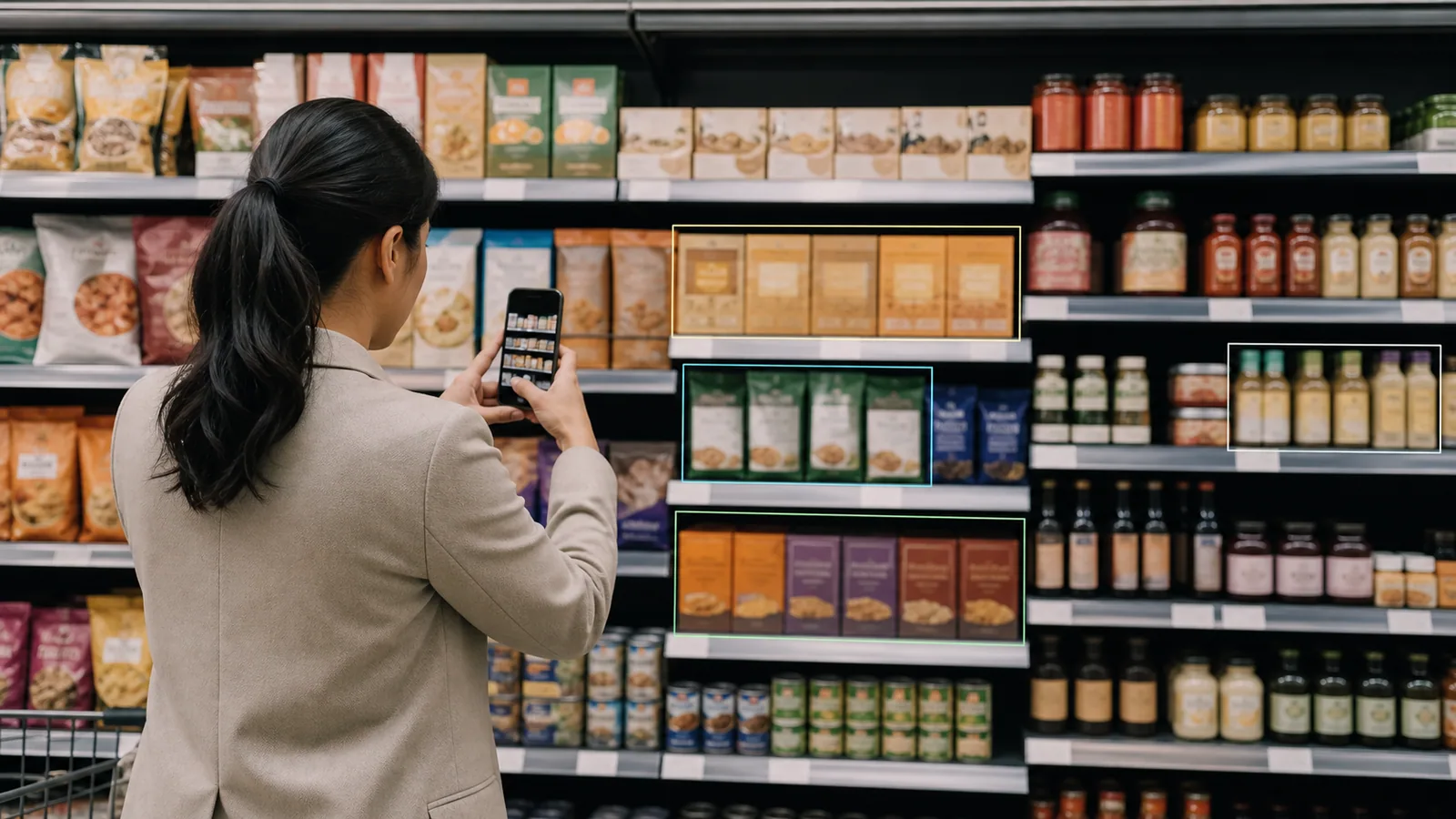
With Extractify’s Shelf Catalog mode, you can turn shelf images into actionable data in minutes:
- Automatic product detection from shelf photos
- Real‑time shelf mapping and cataloguing
- Faster audits with almost zero manual input
- Scalable monitoring across stores and regions
Instead of guessing what is happening in‑store, you see it, measure it, and optimise it.
👉 Explore the Shelf Catalog mode
Best practices to build high‑performing planograms
To maximise the impact of your planograms, follow these principles:
1. Start with data, not assumptions
Use sales, traffic, and shopper behaviour insights to guide placement decisions. Let the numbers tell you which products deserve premium positions.
2. Prioritise visibility zones
Eye‑level, endcaps, and high‑traffic areas should feature:
- Top performers
- High‑margin items
- Strategic new launches
3. Group products strategically
Encourage cross‑selling through logical adjacencies:
- Chips next to dips
- Sauces near pasta
- Batteries near small electronics
Think in terms of shopping missions, not just categories.
4. Adapt to store formats
One planogram will not fit every store. Build:
- Master guidelines for the category
- Format‑specific variations for small, medium, large, and flagship stores
This keeps brand consistency while respecting real‑world constraints.
5. Monitor continuously
A planogram is never “done”. It evolves with:
- New products
- Seasonal changes
- Shifts in shopper behaviour
Combine smart design with continuous monitoring to keep layouts aligned with reality.
Final thoughts: from planned shelves to optimised shelves
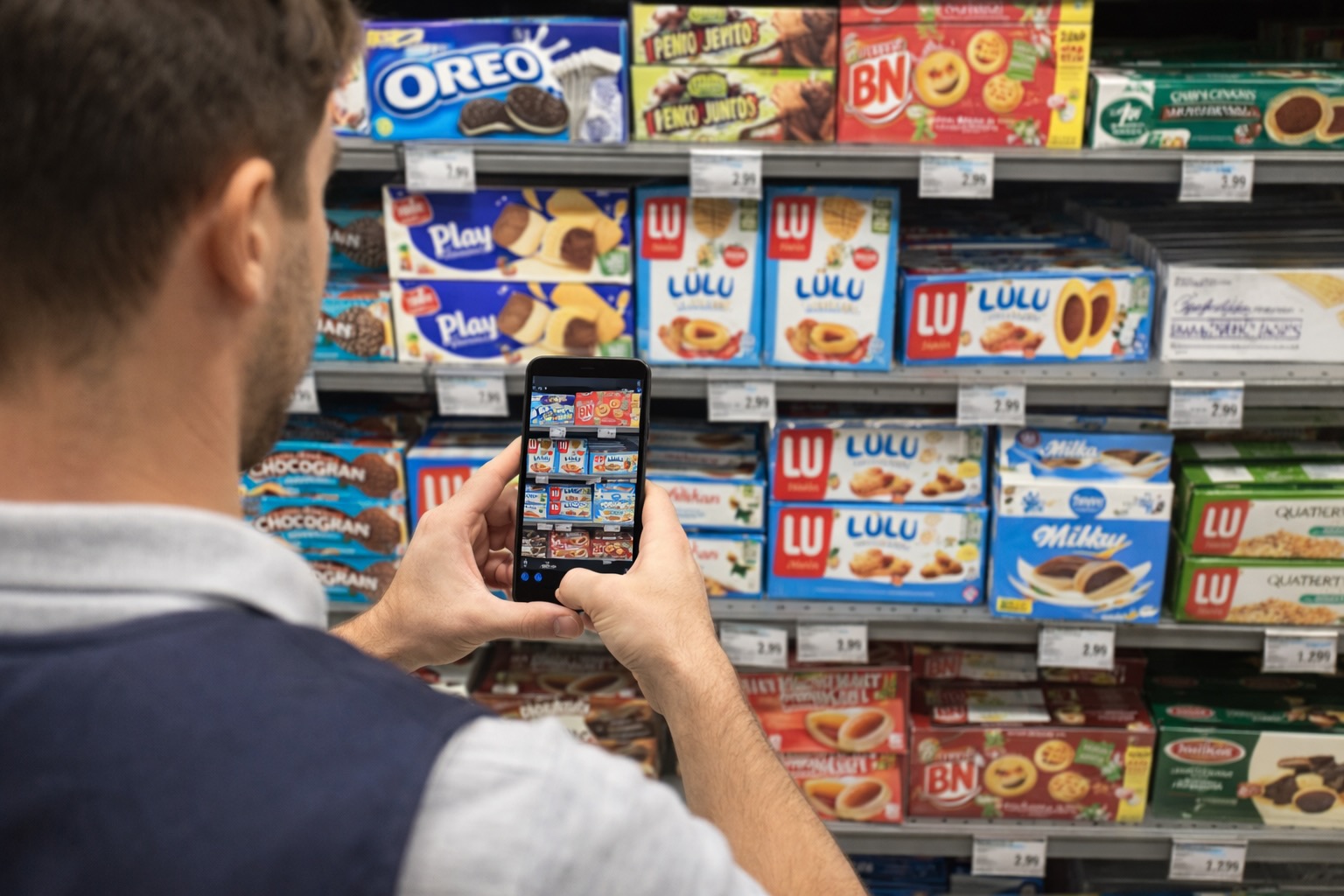
Planograms are no longer just merchandising tools, they are growth engines.
But their real power is unlocked when you combine:
- Smart, data‑driven design
- Reliable in‑store execution
- Real‑time shelf data and analytics
The future of retail belongs to brands that can bridge the gap between the ideal planogram and real‑world shelves.
If you want to move from “planned shelves” → “optimised shelves”, it starts with visibility.
👉 Get a live view of what is really on your shelves with Extractify Shelf Catalog.